
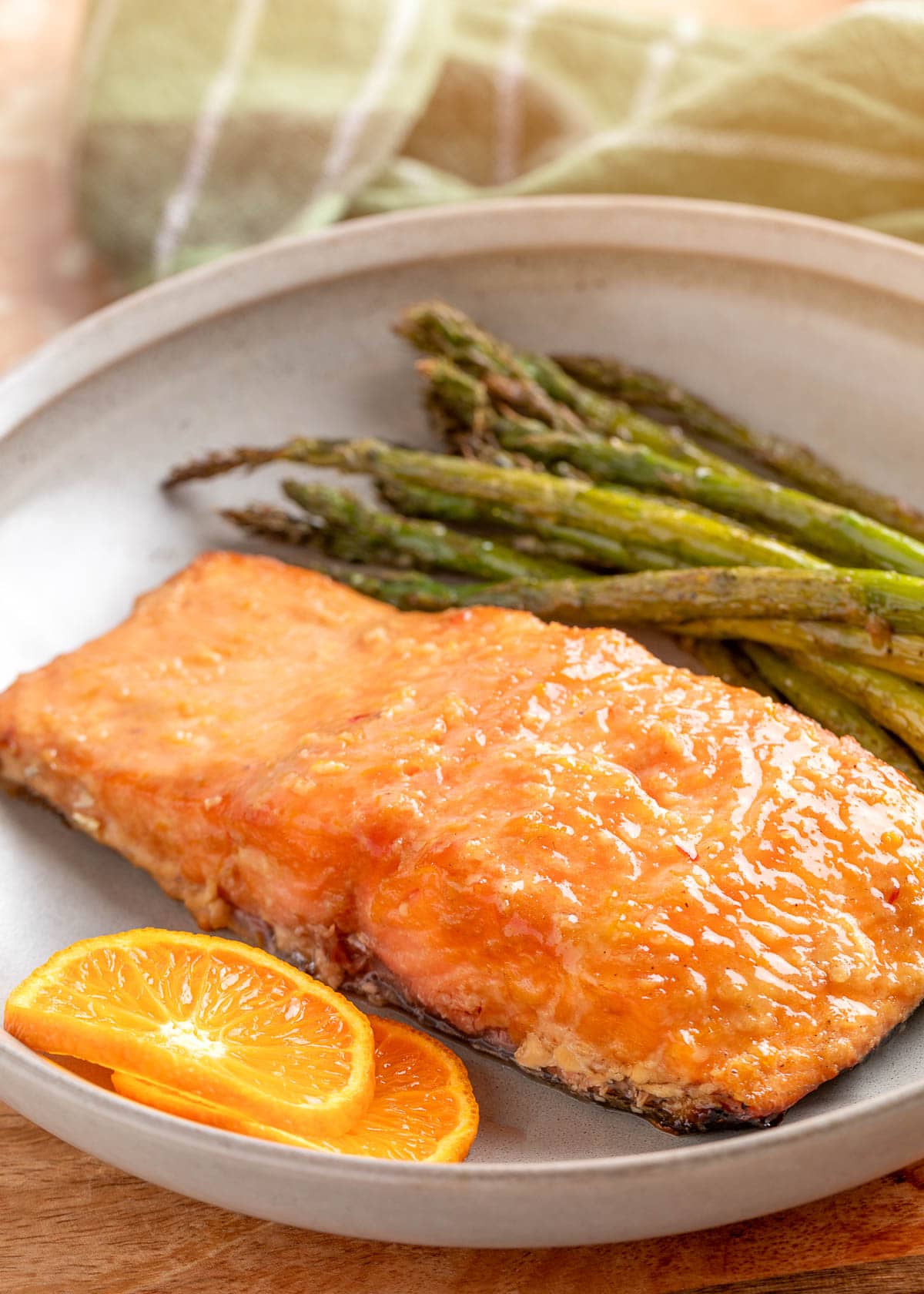
This Smoked Salmon is sweet, smoky, and glazed with a buttery mix of maple syrup, bourbon, fresh orange, ginger, and garlic. It's simple to make and always a hit, whether you're cooking for a weekend crowd or an easy weeknight dinner.
Before You Start Cooking
Method: Pellet Grill/Smoker Skill: Easy
- Salmon: You'll need four 8-ounce fillets for this recipe. Keep the skin on-it helps the salmon stay intact on the grill grates. We like using center-cut fillets for even cooking. Use farmed or wild salmon, whichever you prefer.
- Cooking Time: Smoke time can vary quite a bit depending on the type and thickness of your salmon, your smoker setup, and a few other factors we cover below. We recommend going by internal temperature for this recipe instead of a timer.
- Pellet Flavor: Alder is a classic for salmon, but pecan, apple, or any fruitwood-hickory blend will work well. Choose a pellet/wood that will add a gentle smoke without overpowering the glaze.
This recipe was developed and tested on a recteq B380 Bullseye Wood Pellet Grill.
How to Make Orange Maple Bourbon Smoked Salmon
Make the Glaze
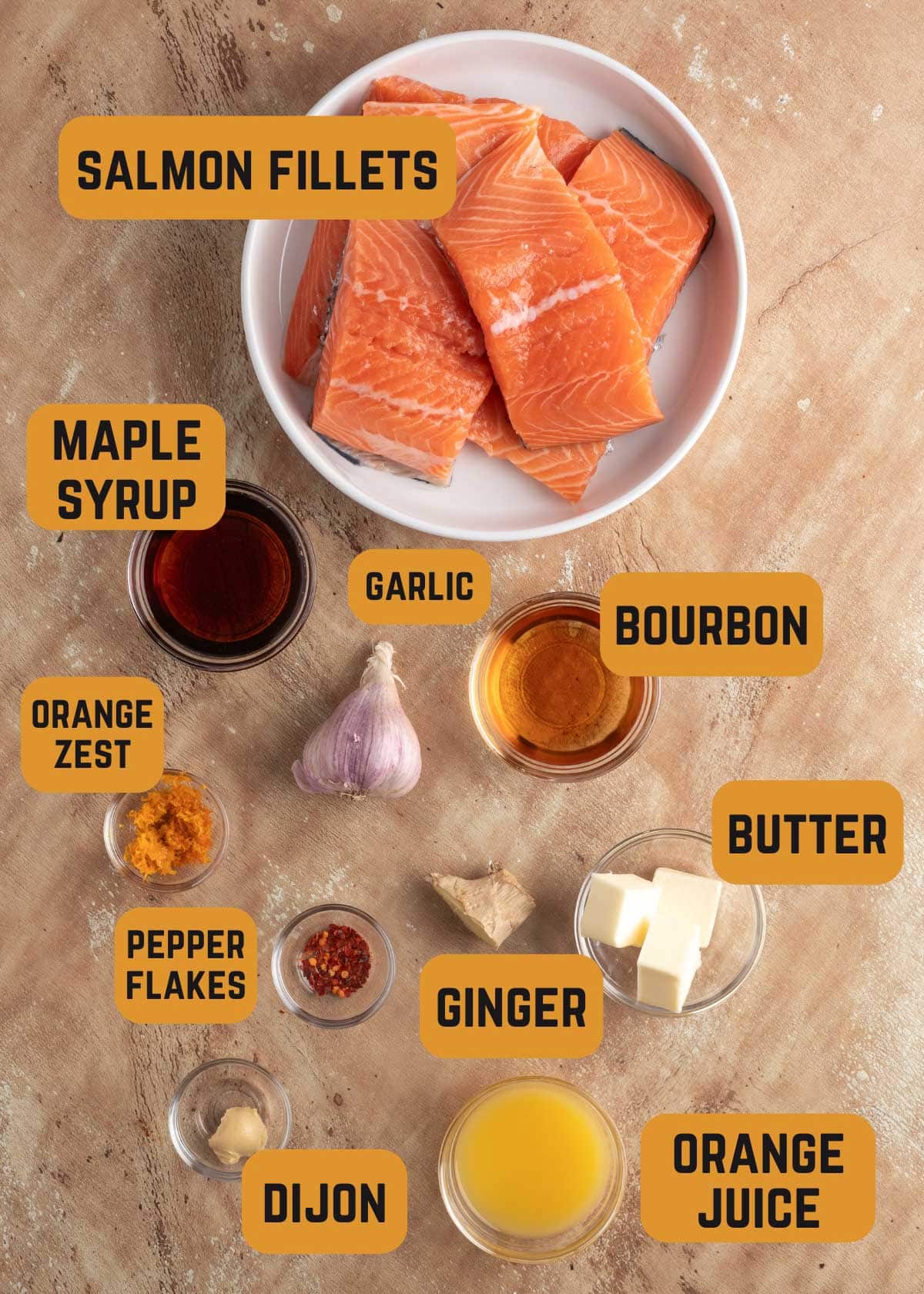
Start by preparing the glaze for the smoked salmon-it's where all that bold, sweet-and-savory flavor begins. In a small saucepan, combine:
- Pure Maple Syrup: For the best results, use real maple syrup. Pancake syrup is typically made with corn syrup and artificial flavorings, which won't give the glaze the same rich taste.
- Bourbon: Adds depth and warmth. We typically use Maker's Mark for cooking.
- Orange Juice and Zest: Use a microplane to zest the orange before juicing (zesting a cut or juiced orange can be cumbersome). Be sure to strain out any seeds from the juice.
- Garlic: For the boldest flavor, grate fresh garlic cloves using a microplane. This breaks it down into a paste-like consistency that melts into the glaze, infusing it with flavor. Store-bought garlic paste works in a pinch, but the flavor will be less robust.
- Ginger: Use the same microplane to grate fresh, peeled ginger to add a zippy, peppery bite to the glaze. Like the garlic, you can use ginger paste from the grocery store, but the flavor won't be as vibrant.
- Red Pepper Flakes. Adds a little kick of heat to the glaze.
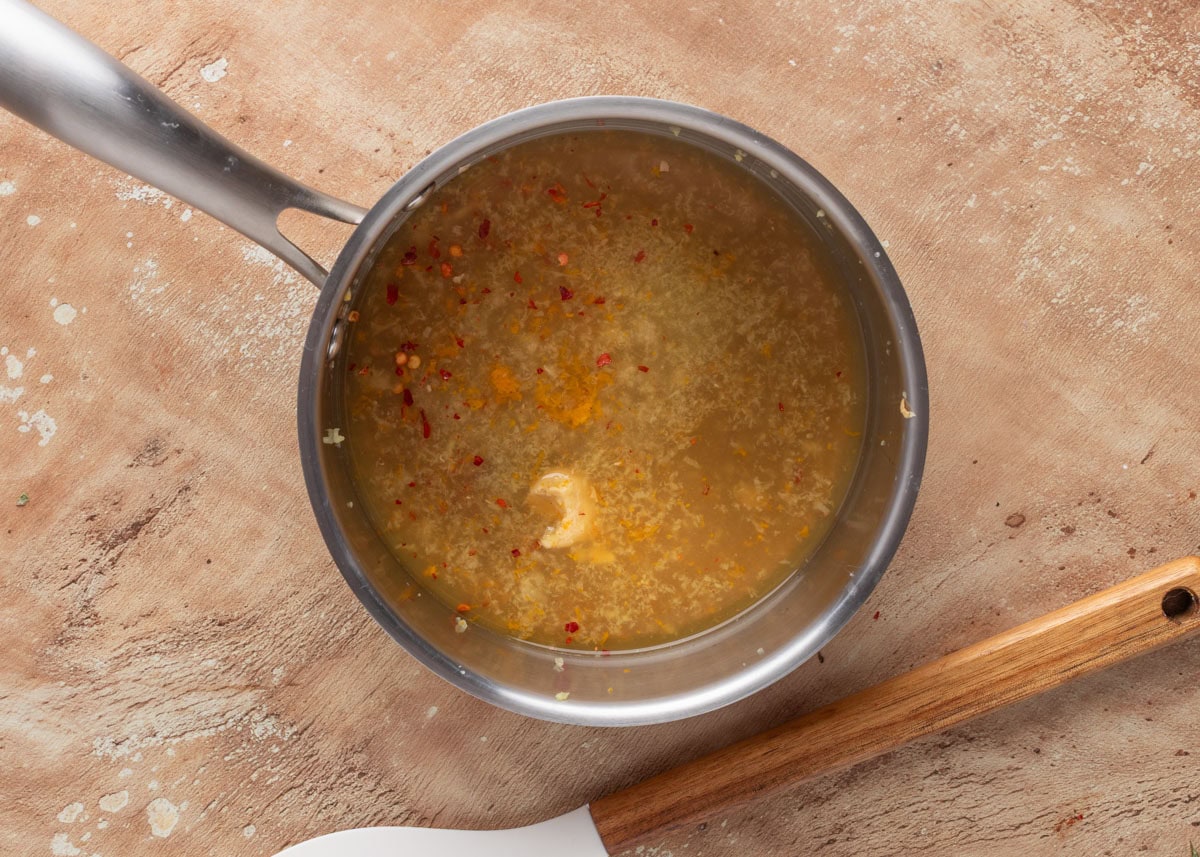
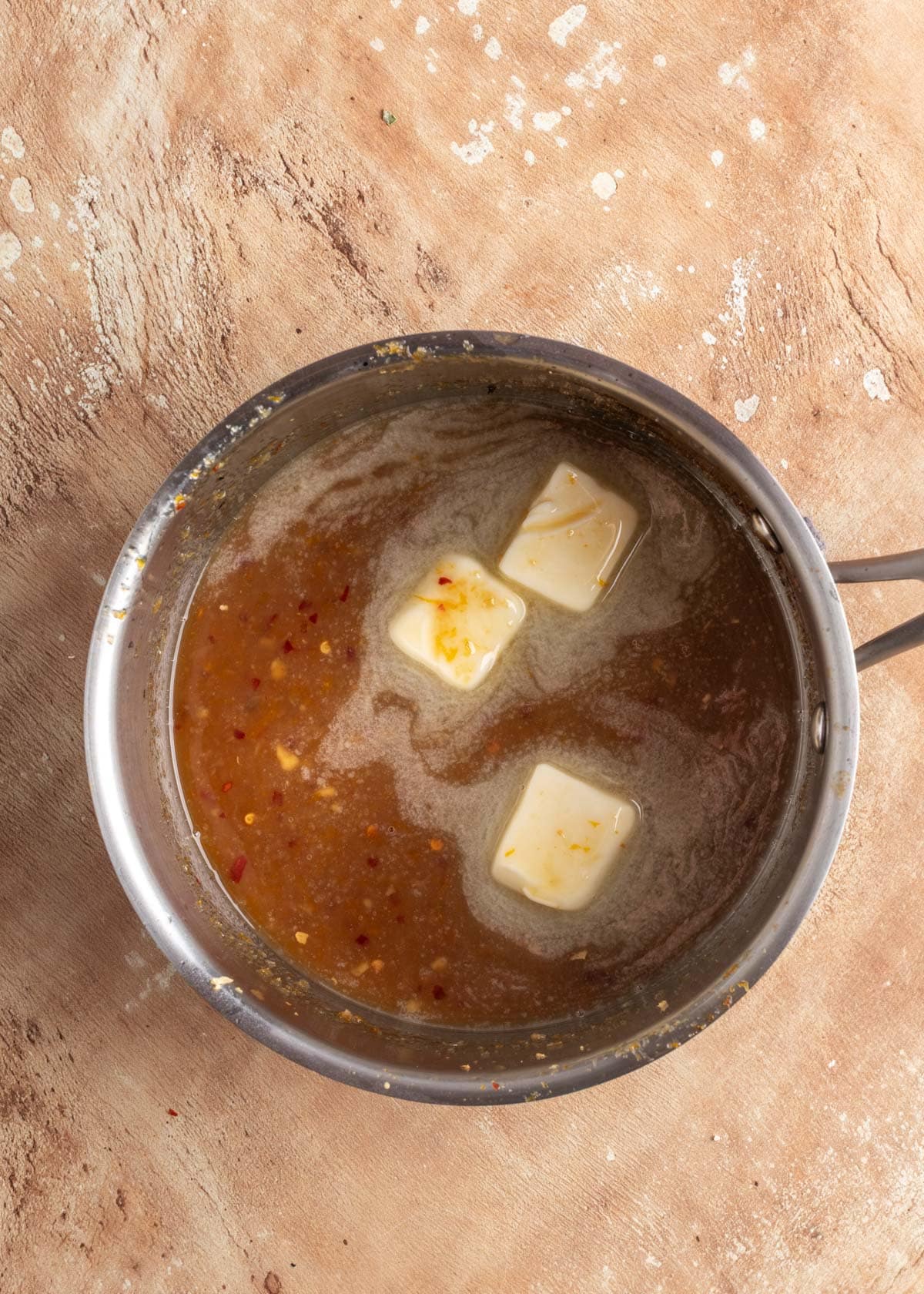
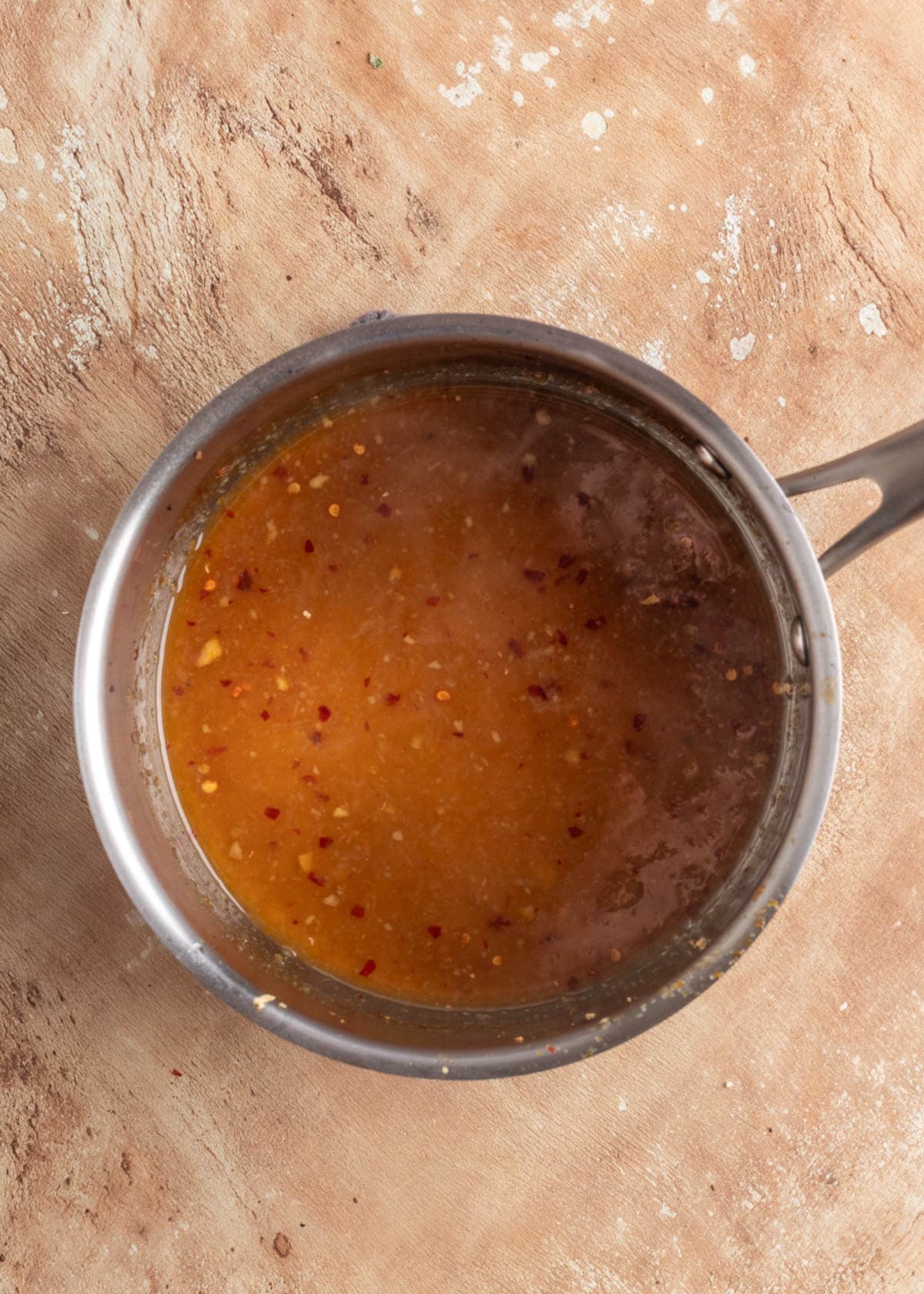
Bring everything to a boil over medium-high heat, then lower the heat and let it gently simmer for 8 to 10 minutes, stirring occasionally. The glaze should reduce by about half-it'll look thicker and start to coat the back of a spoon.
Once it's reduced, remove the pan from the heat and stir in a few tablespoons of cold, cubed unsalted butter. The butter will melt into the glaze, adding richness and a glossy finish.
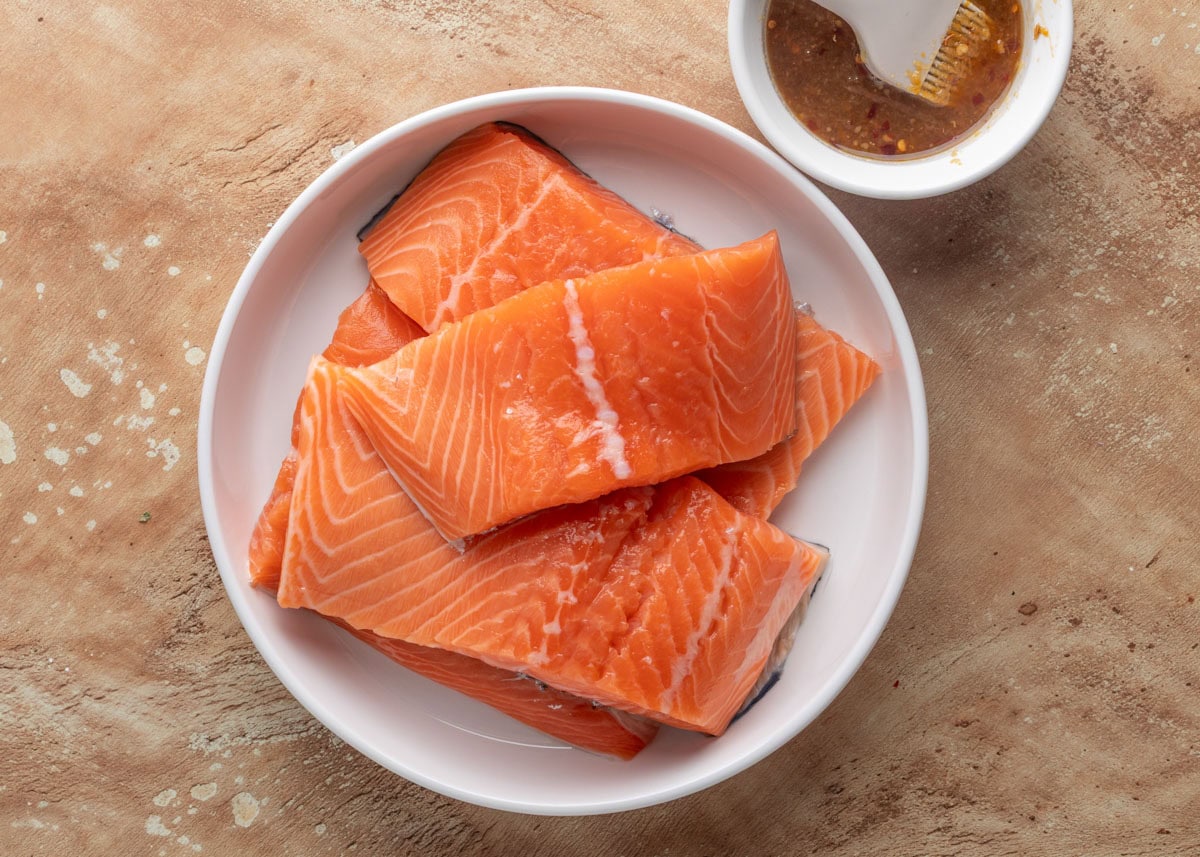
Spoon out about ¼ cup of the glaze into a separate bowl. Save this to brush over the cooked salmon just before serving for an extra pop of flavor and shine.
Prep and Smoke the Salmon
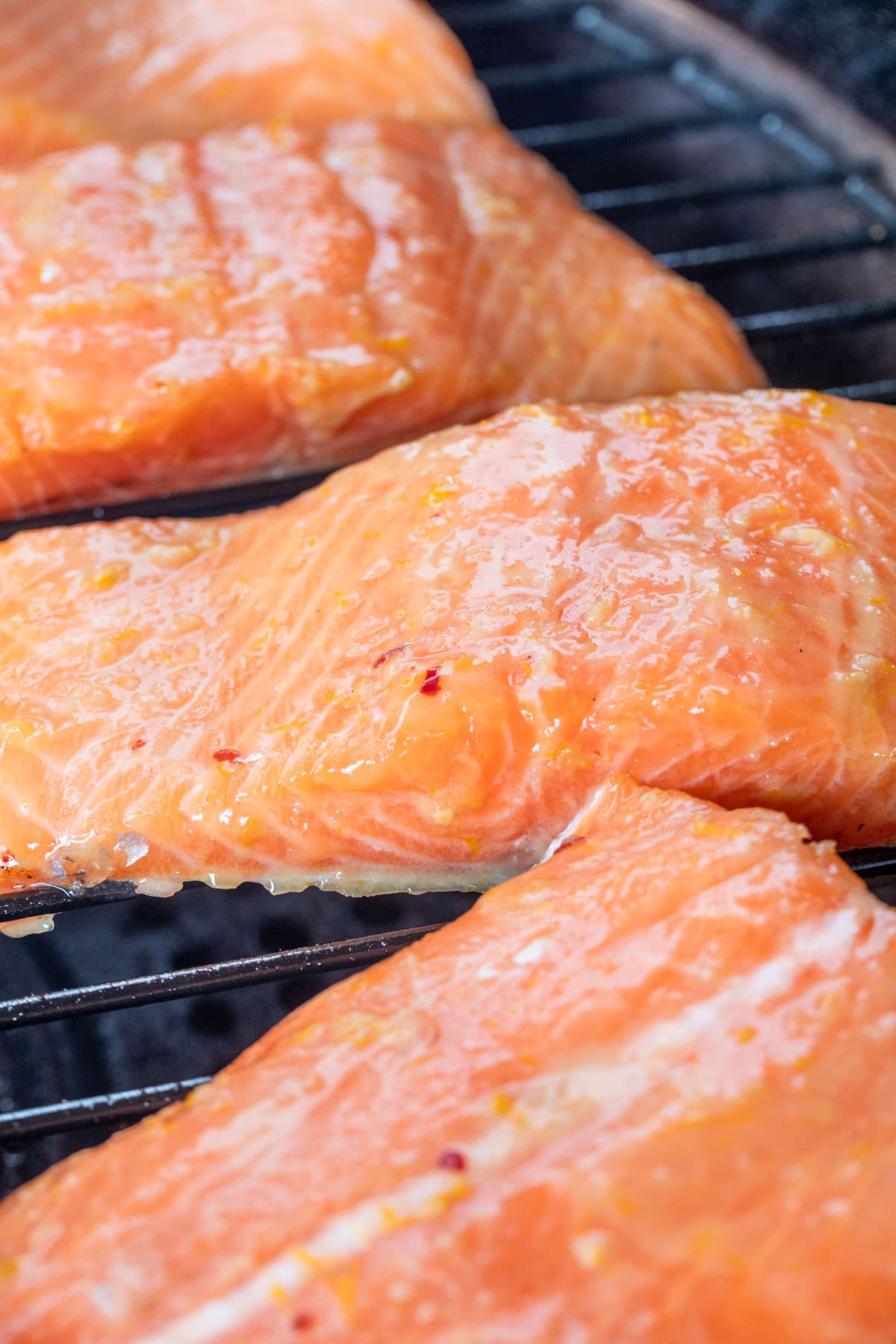
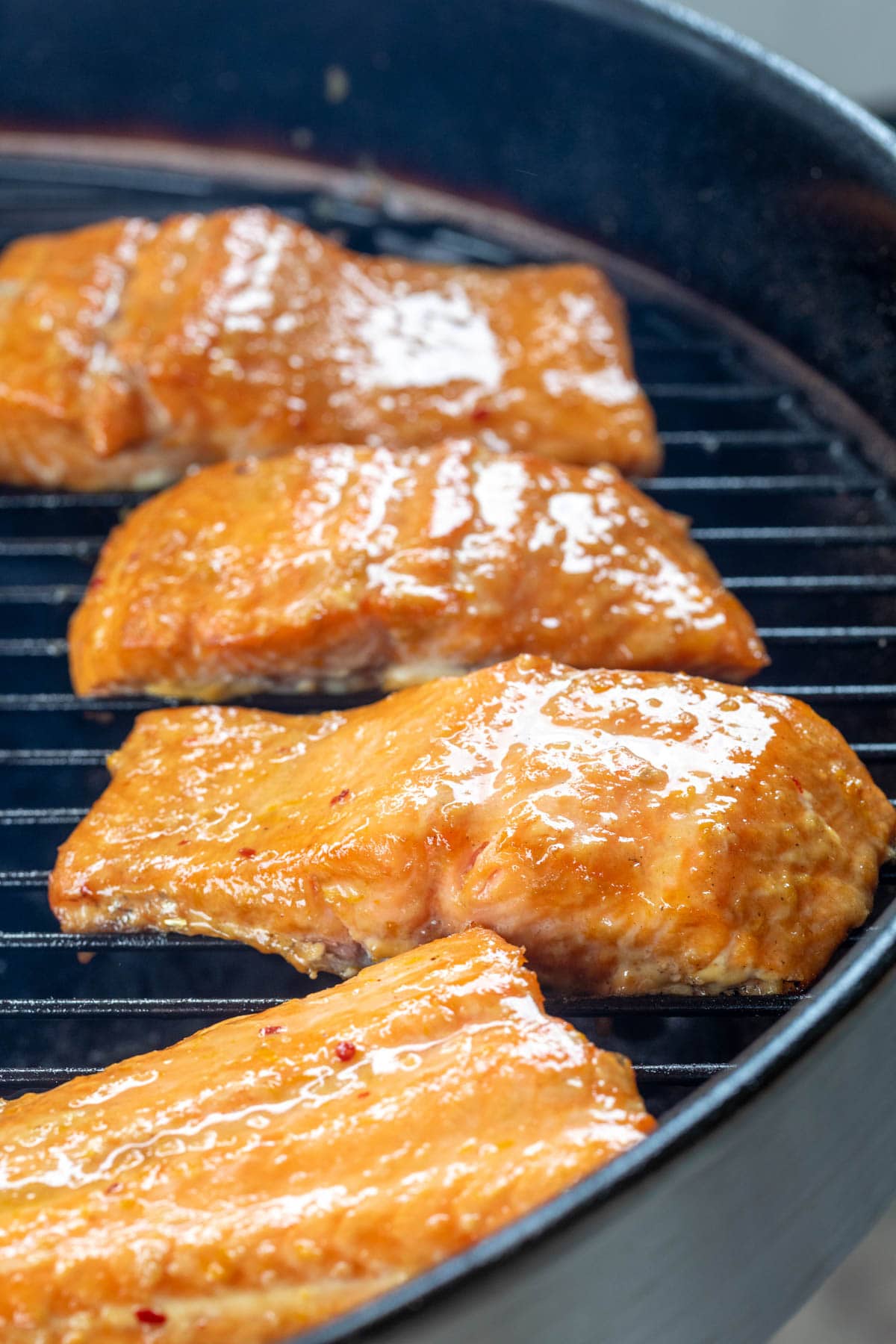
Brushing the salmon fillets all over with a nice layer of the glaze. Preheat your smoker or pellet grill to 225°F, and lightly oil the grates to help keep the glaze and fish from sticking.
Place the salmon skin side down directly on the grates. Most fillets will take between 30 to 45 minutes to smoke, but there are a number of factors that can shift cook time.
- Farmed vs. wild salmon. Farmed salmon is typically thicker and fattier, which helps it stay moist during cooking. Wild salmon tends to be leaner and more delicate, and may cook more quickly.
- Thickness of the fillets. Thinner tail-end pieces will reach temperature faster than thick center cuts.
- Your smoker. Heat retention, airflow, and hot spots can all affect how quickly the salmon cooks.
- Starting temperature and desired doneness. Salmon placed on the smoker straight from the fridge will take longer to cook than fillets that have had a chance to sit at room temperature for about 15 minutes. Your target internal temperature-whether you're aiming for medium-rare or fully cooked-will also affect total smoking time.
Use an instant-read or Bluetooth thermometer to monitor your cook for this recipe, rather than the clock. Once the salmon is cooked to your desired doneness, remove it from the smoker and let it rest for about 5 minutes.
Just before serving, brush the salmon with the reserved glaze to finish. (Be sure to use a clean basting brush that hasn't touched the raw fish.) The glaze will add one final layer of shine and flavor to the fillets.
Internal Temperature for Salmon
The USDA recommends cooking fish to an internal temperature of 145°F for food safety (medium-well). At this temperature, the salmon will be fully opaque and flaky.
Many people prefer their salmon-especially leaner, wild varieties like Sockeye or Coho-cooked to a lower internal temperature for a more tender and moist texture:
- 120-125°F: Medium-rare
- 130-135°F: Medium
- 140-145°F: Medium-well to well-done
We tend to like our salmon cooked through, especially when it's a fattier variety (like farmed Scottish or wild King), pulling it at 140-142°F, then letting it rest for 5 minutes to reach 145°F with carryover cooking.
Ultimately, it comes down to personal preference and your comfort level with the safety considerations of eating salmon below USDA-recommended temperatures.
Serving Your Glazed and Smoked Salmon
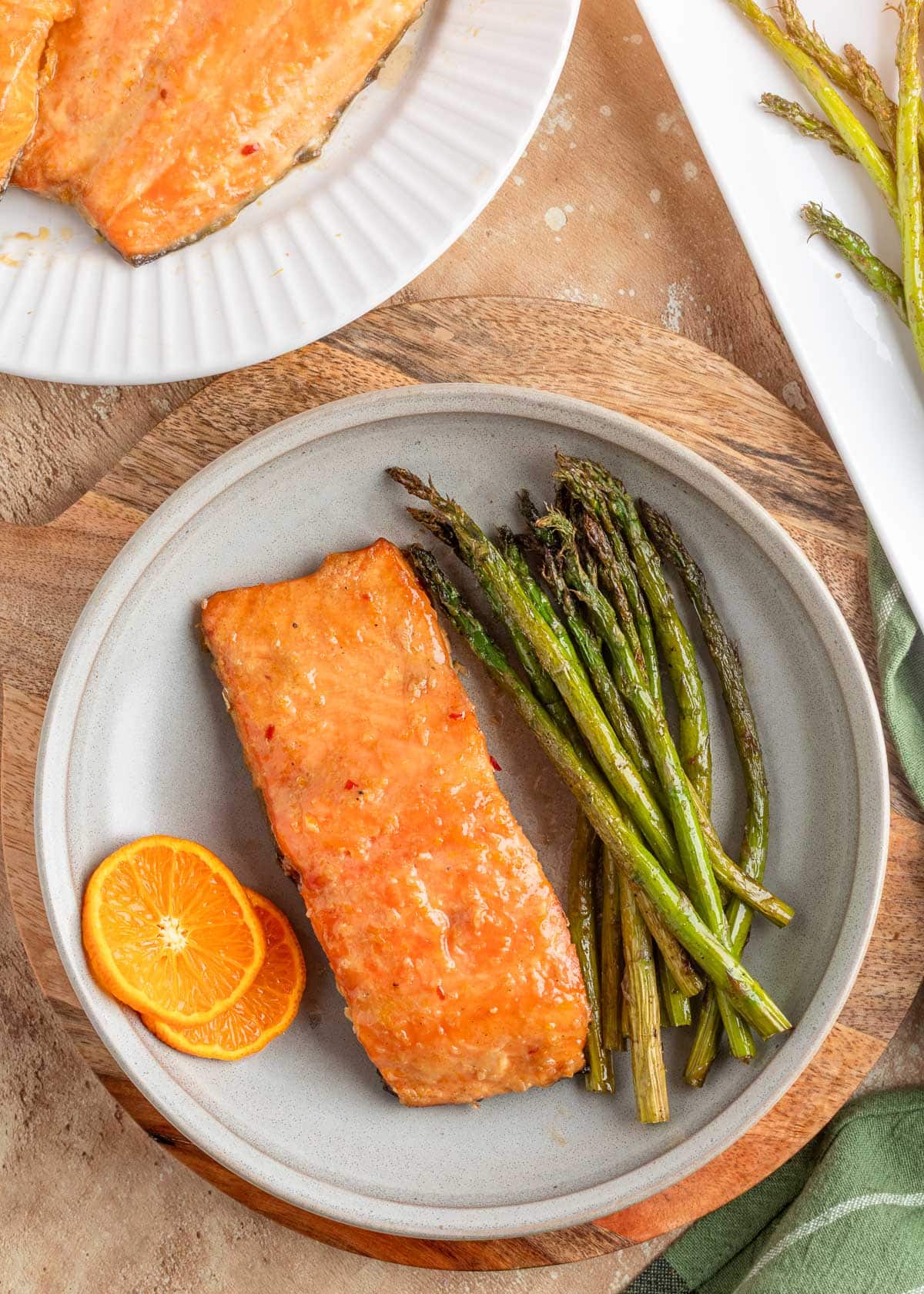
This salmon's the centerpiece, so keep the sides simple and let that smoky, citrusy maple-bourbon glaze shine. We like serving this meal with a crisp green salad or easy grilled veggies like smoked asparagus, green beans, zucchini, summer squash, or a mix of your favorites.
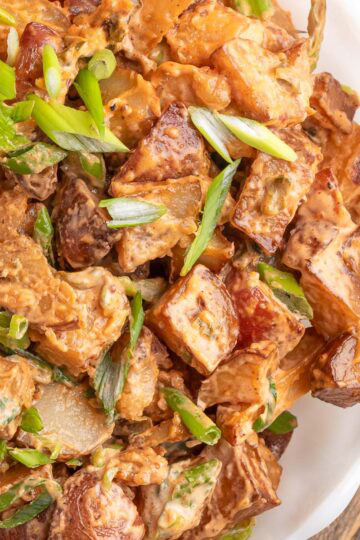
For something more filling, smoked potatoes are a great match. If you're making the linked recipe, I'd recommend replacing the rosemary with thyme, and omitting the garlic mayo dipping sauce. You could also go with a buttery couscous or a no-fuss rice pilaf.
More Pellet Grill and Smoker Recipes
⏲ Recipe
Smoked Salmon with Orange Maple Bourbon Glaze
Ingredients
- 2 pounds skin-on salmon fillets, (four, 8-ounce portions)
- ⅓ cup pure maple syrup
- ⅓ cup freshly-squeezed orange juice
- ¼ cup bourbon whiskey
- 2 cloves garlic, grated or pressed
- ½ tablespoon fresh ginger, grated
- ½ teaspoon Dijon mustard
- ¼ teaspoon crushed red pepper flakes
- zest of one large orange
- 3 tablespoons cold unsalted butter, cut into cubes
Instructions
Make the Glaze
- In a small saucepan, combine the maple syrup, orange juice, bourbon, garlic, ginger, red pepper flakes, and orange zest. Bring to a boil over medium-high heat, then reduce the heat and simmer for 8-10 minutes, until the glaze has reduced by about half.
- Remove from heat and stir in the cold, cubed butter until melted and smooth.
- Transfer about ¼ cup of the glaze to a small bowl and set aside to brush onto the cooked salmon fillets.
Prep and Smoke the Salmon
- Preheat your smoker or pellet grill to 225°F. Lightly oil the grates.
- Brush the salmon fillets with the glaze in the pot to coat the top and sides (don't brush the skin side).
- Place the salmon on the smoker, skin-side down, and cook to your preferred doneness: 120-125°F for medium-rare, 130-135°F for medium, or 140-145°F for well-done (see note below).
- Remove the salmon from the smoker and let it rest for 5 minutes before serving. Brush with the reserved glaze and serve.
Leave a Reply